The pleasing aromas of the kitchen travel throughout the rest of the house. I ask my mom: “How did you make the cous-cous (or any other dish)?”
She says: “With a little bit of this and a little bit of that.”
The pleasing aromas of the kitchen travel throughout the rest of the house. I ask my mom: “How did you make the cous-cous (or any other dish)?”
She says: “With a little bit of this and a little bit of that.”
Shabbat preparation usually begins Thursday into Friday for my family. We take this time to prepare our menu, reflect on the week, and think of those who departed. This week my cousin shared a vegetarian Eggplant Caviar recipe that was special to her mother (Shulamit, Z”l) and I feel honored to share with you.
At the time, Shulamit was the wife of a baker, helped manage the bakery, and was a mother of 5 children- so you can only imagine how busy she was. However, there was always time for Shabbat- her goal was to make sure her guests left well fed and happy. Whenever Shulamit would prepare a meal she would sing Opera. The love and happiness radiated through the house and into her food, which was a key ingredient (love) in her dishes. A vegetarian family was one of the regulars that attended Shabbat dinner. Eggplant Caviar was one of their favorites!
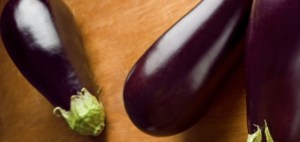
EGGPLANT CAVIAR: 2 eggplants, 2 onions, 2-3 cloves of garlic, salt, pepper, garlic powder 1 tablespoon of tomato paste, parsley or cilantro
Enjoy!
And now I ask you, what is on your menu? Take a moment and reflect on this week: what changes will you make, what made you happy?
Shabbat Shalom and Bon Appetit!
Never cry on Shabbat. No matter what, we are supposed to be happy and remember to give all our problems and worries to Hashem. ~Shulamit, Z”l
(Daughter of Rabbi Yossef Ouaknine, Z”l)
Paprika, peppercorn, salt, and summer- BBQ juicy steak fruit come to mind? Summer of 2015 is about wet, juicy fruit topped with sweet and savory spices! Recipes can be as simple as adding salt to melon, or as exotic as Li Hing on pineapple, Tajin on cucumbers or throwing some peaches and watermelon on the grill.
Let’s start with salt. Salt is a basic spice found in any household kitchen that can add to and balance the flavor of any sweet fruit. I love it on melon and cantaloupe. Also, if you’re a risk taker you can enhance the flavor of your fruit by adding extra flavors such as peppercorn.
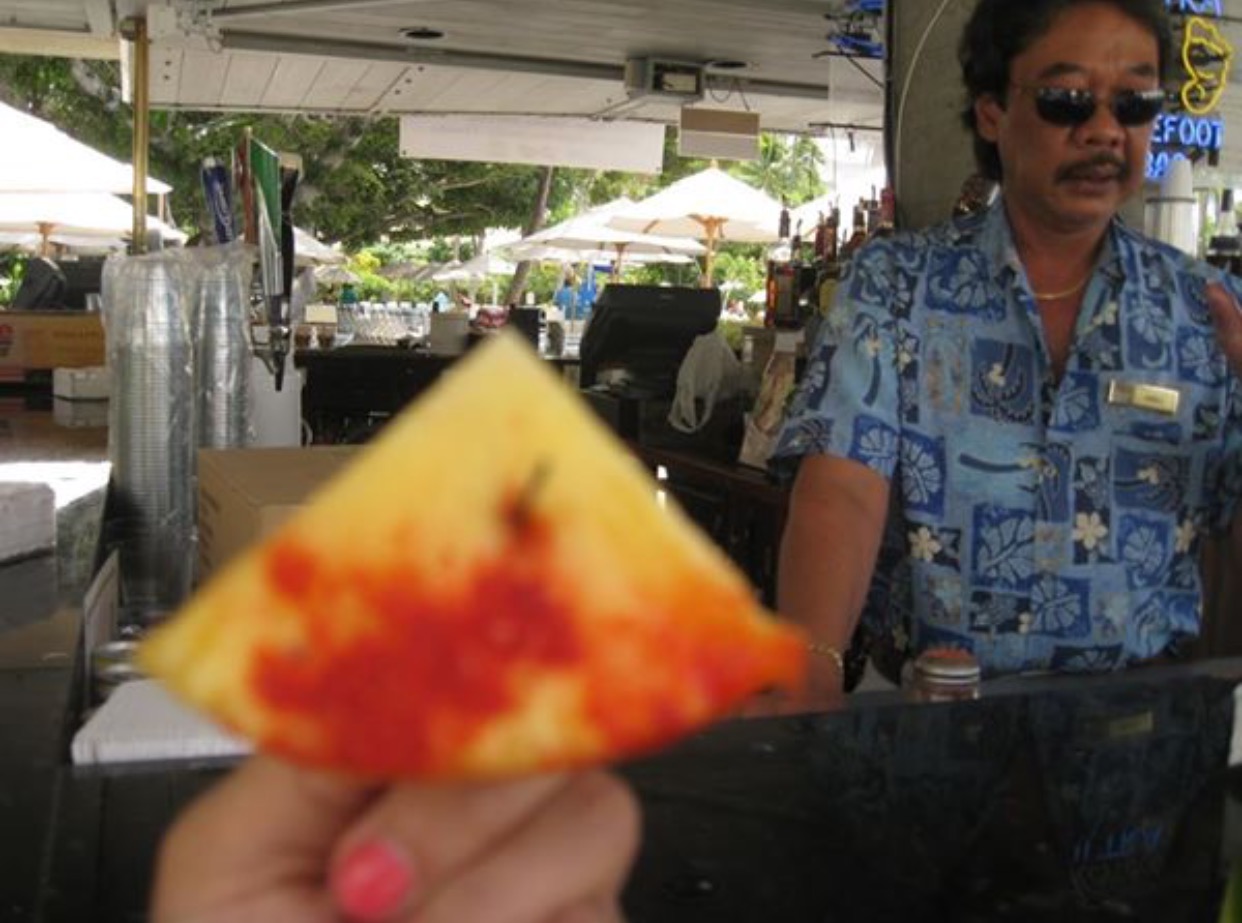
The first time I tried Li Hing (aka the traveling plum), was in Hawaii at a hotel Tiki bar. The bartender said it was a traditional spice, made of dried plum, used in Hawaii on fruits, candy, meats, fish and even in some alcoholic beverages. He dipped a pineapple into a beautiful red spice and it was love at first taste! Li Hing is made of dried plum. The flavor is a mixture of sweet, salty, and sour all in one.
Tajin, made of lime, salt, and Mexican chile, has been used on fruits (mangoes, melons, watermelon), meats, and cucumbers to boost flavor. Simply cut your fruit, sprinkle some Tajin and enjoy a whole new culinary experience!
BONUS: Going to a BBQ? Impress your friends with a whole new way of enjoying fruit by grilling peaches and watermelon. Below you will find two simple recipes that your friends and family will relish over! If you don’t have an outdoor grill you can use a stove top grill. My favorite is the Calphalon stove top grill that I got as a gift from a great friend.
SMOKIN’ PEACHES: peaches, smoked paprika
ZESTY MELON: watermelon, lime juice, honey, salt, garlic chili sauce, (cilantro or parsley)
Who am I kidding? Fruits are probably not the new meat, however, we are definitely spicing them up this season!
Bon Appetit!
Including G-d in all your actions transforms an ordinary day to an extraordinary one ~ Rabbi Yossef Ouaknine, Z”l
Mint tea to Moroccans is like coffee to Americans. It’s more than just a drink- it’s an experience. The tea is usually served in a beautiful silver tea pot filled with mint leaves and brewed in green tea. I like to use Wissotzky Nana Tea for extra flavor. The tea is served with cubes of sugar to add that extra bit of sweetness. During Passover my family substitutes the sugar cubes with dates for added sweetness. Also, dates are a healthier option for those who are health conscious.
The aroma of mint fills the air before it’s even served. The tea is poured into silver or gold decorated glasses and is traditionally poured by holding the pot as high as possible! No splashing, I promise! The purpose of this artful pour is to aerate the tea. It is quite an experience and worth the cup of tea to watch!
Moroccans will drink mint tea several times a day: before a meal, and after a meal, and anytime in between. My grandfather would always gather the family before Shabbat or holidays to sit with a glass of Mint Tea to relax, share stories, and welcome the holidays. The silver teapot featured in the video is from a souk in Morocco and is very similar to the one my grandfather used.
Other than a beverage of tradition, Mint Tea also has great health benefits. Mint itself helps the digestive system, combats nausea, cures bad breath, improves focus and clears acne! You can drink the tea and it helps clear acne through your bloodstream or you can take the leaves and rub it directly on the spot. Most importantly it smells and tastes great!
The next time you’re invited to a Moroccan household or restaurant take the opportunity and enjoy the experience!
Bon Appetit!
“The first thing you do is circumsize the veggies.” ~My Mom
…..and this is how I always start to cook- with a little giggle and a lot of love.

 Kosherize It